
Arham Oil Expanding the Robotic Tank Cleaning Services in Russia
January 23, 2026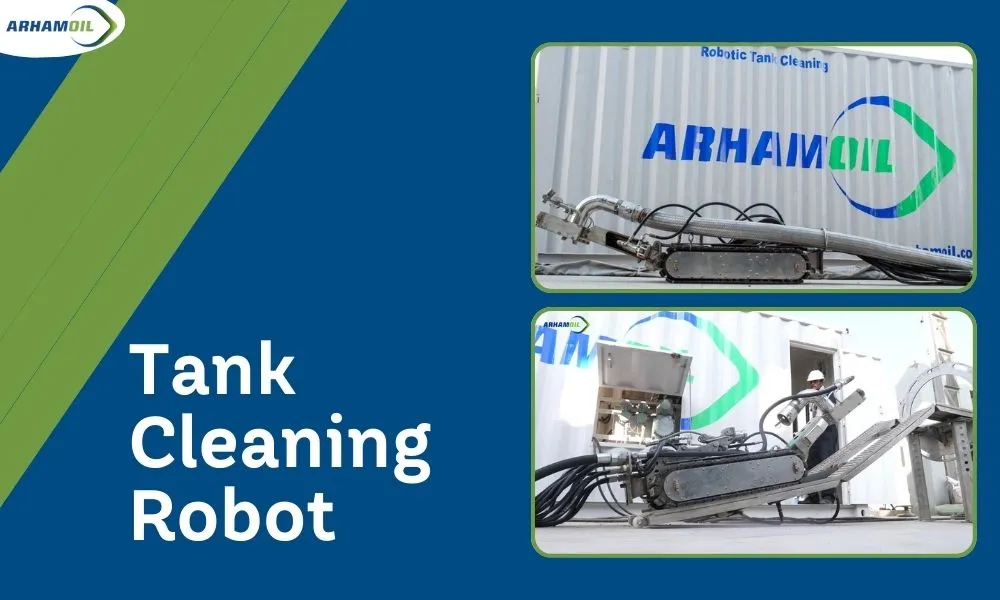
In the oil and gas industry, storage tanks are critical assets. Whether storing crude oil, refined products, chemicals, or intermediates, tanks require regular cleaning to maintain operational efficiency, ensure product quality, and meet safety and environmental standards. For decades, tank cleaning has relied heavily on manual labor—confined space entry, high-risk exposure, and long shutdown periods.
Today, the industry is shifting toward a safer and more advanced solution: the tank cleaning robot.
As an oil and gas service company, we have seen firsthand how robotic tank cleaning is transforming refinery maintenance. A tank cleaning robot is not just a piece of equipment—it is a complete safety and productivity upgrade for modern facilities.
What Is a Tank Cleaning Robot?
A tank cleaning robot is a remotely operated system designed to clean storage tanks without requiring human entry. These robots are built to function in hazardous environments, including explosive atmospheres and high-sludge conditions typically found in crude oil storage tanks and refinery units.
Using high-pressure water jets, automated sludge agitation systems, and real-time camera monitoring, the robot removes oil sludge, sediments, and scale deposits while operators control the system from a safe location outside the tank.
This no-man entry tank cleaning method eliminates the risks associated with confined space entry and significantly reduces downtime.
Why Traditional Tank Cleaning Is No Longer Sustainable
Manual tank cleaning involves multiple safety risks:
- Exposure to toxic gases and vapors
- Oxygen-deficient atmospheres
- Fire and explosion hazards
- Physical strain and heat stress
- Extended shutdown periods
Beyond safety concerns, manual cleaning is slow and inconsistent. Sludge removal may not be uniform, and oil recovery is often inefficient. In today’s competitive oil and gas environment, refineries and tank terminals cannot afford extended outages or safety incidents.
A robotic tank cleaning system directly addresses these issues.
How a Tank Cleaning Robot Works
The cleaning process typically follows these steps:
1. Pre-Assessment and Planning
Before deployment, our team conducts a detailed technical evaluation of:
- Tank size and configuration
- Sludge volume and composition
- Product type
- Access points and operational constraints
This ensures the robotic cleaning system is tailored to the specific tank conditions.
2. Robotic Deployment
The tank cleaning robot is inserted into the tank through designated manways. Once inside, it operates using remote controls and camera systems, providing live visual feedback.
3. Sludge Agitation and Removal
High-pressure jets break down hardened sludge and sediments. The mixture is then pumped out for separation and oil recovery.
4. Oil Recovery and Waste Management
Recovered hydrocarbons are processed and returned to the system when possible, reducing waste and improving cost efficiency. Remaining solids are managed according to environmental compliance standards.
Key Benefits of Using a Tank Cleaning Robot
- Enhanced Safety
The most significant advantage is eliminating confined space entry. Operators remain outside the tank, dramatically reducing exposure to hazardous conditions. This aligns with international safety standards and refinery best practices.
- Reduced Downtime
Robotic tank cleaning accelerates sludge removal and minimizes shutdown periods. Faster turnaround means tanks return to service sooner, improving asset utilization.
- Improved Oil Recovery
Unlike manual cleaning, robotic systems enable systematic sludge recovery. Valuable hydrocarbons are separated and reprocessed, reducing financial losses.
- Environmental Compliance
Modern environmental regulations demand responsible sludge handling and disposal. Robotic cleaning supports controlled waste management and reduces contamination risks.
- Consistent Cleaning Quality
Robotic systems provide uniform cleaning coverage, ensuring that tank floors and walls are thoroughly cleaned and ready for inspection.
Applications in Oil & Gas Industry
A tank cleaning robot is suitable for:
- Crude oil storage tanks
- Fuel storage tanks
- Refinery process tanks
- Floating roof tanks
- Fixed roof tanks
- Chemical storage tanks
Whether in upstream, midstream, or downstream operations, robotic cleaning technology enhances maintenance reliability.
Supporting Asset Integrity and Inspection
Clean tanks allow for accurate inspection and structural assessment. Corrosion, pitting, cracks, and coating damage become easier to detect when sludge is completely removed.
Integrating robotic tank cleaning into routine maintenance planning improves asset life and reduces unexpected failures. For refineries operating under strict inspection cycles, this is a major operational advantage.
Economic Advantages of Robotic Tank Cleaning
Investing in a tank cleaning robot service may initially seem like a technological upgrade, but it quickly proves to be a financial decision.
Cost savings come from:
- Reduced manpower requirements
- Lower safety incident risks
- Shorter downtime
- Improved oil recovery
- Reduced waste disposal volumes
Over time, the efficiency gains outweigh traditional cleaning costs.
Why Choose a Professional Oil & Gas Service Company
A tank cleaning robot alone is not enough. Proper execution requires:
- Experienced technical teams
- Hazardous environment expertise
- Certified safety procedures
- Oil sludge processing capability
- Environmental compliance knowledge
As an oil and gas service company, we provide end-to-end robotic tank cleaning solutions. From planning and deployment to sludge recovery and waste treatment, every step is handled professionally and safely.
Our focus is not only on cleaning tanks—but on improving refinery performance.
The Future of Tank Cleaning: Automation and Innovation
The oil and gas industry is moving toward automation in all aspects of operations. Robotic inspection, robotic blasting, and robotic maintenance systems are becoming industry standards.
Tank cleaning robots are part of this transformation. They represent a shift from labor-intensive, high-risk processes to smart, controlled, and efficient maintenance practices.
Facilities that adopt robotic tank cleaning today position themselves for safer operations, better compliance, and improved long-term sustainability.
Frequently Asked Questions (FAQs)
1. Is robotic tank cleaning safe for explosive environments?
Yes. Tank cleaning robots are designed to operate in hazardous and explosive atmospheres. They are engineered with safety certifications and eliminate the need for personnel to enter confined spaces.
2. Can oil be recovered during robotic tank cleaning?
Absolutely. One of the major advantages is oil sludge recovery. The process separates recoverable hydrocarbons from sludge, allowing reuse and reducing waste.
3. Does robotic tank cleaning reduce downtime?
Yes. Robotic systems work faster and more efficiently than manual cleaning, significantly shortening shutdown periods.
4. Is robotic tank cleaning suitable for all tank sizes?
Robotic cleaning systems can be adapted for various tank sizes and configurations, including large crude storage tanks and smaller process tanks.
5. How often should storage tanks be cleaned?
The frequency depends on the type of product stored, sludge accumulation rate, and regulatory requirements. Most facilities schedule cleaning based on inspection cycles and operational efficiency goals.
Final Thoughts
A tank cleaning robot is not just a technological innovation—it is a strategic upgrade for oil and gas operators who prioritize safety, efficiency, and compliance. By replacing hazardous manual processes with automated precision, refineries and storage terminals can protect their workforce, reduce downtime, and recover valuable hydrocarbons.
If your facility is looking to modernize tank maintenance while maintaining the highest safety and operational standards, robotic tank cleaning is the solution—and partnering with an experienced oil and gas service provider ensures it is done right.
